Opium Wars
Introduction
The Opium Wars, a series of two conflicts that occurred in the mid-19th century, were pivotal events in Chinese history and marked a significant turning point in the relationship between China and Western powers. These wars were primarily between the Qing Dynasty of China and the British Empire, although other Western powers became involved as well.
Origins and Causes
The roots of the Opium Wars can be traced back to the imbalance of trade between China and Britain. In the 18th century, Britain had a high demand for Chinese tea, silk, and porcelain but found that China had little interest in British products. This led to a trade deficit that Britain sought to rectify by introducing Indian opium into China illegally. The opium trade grew rapidly, leading to widespread addiction among the Chinese population and causing economic and social disruption within China.
The Qing Dynasty, under Emperor Daoguang, made several attempts to curb the opium trade and crackdown on smuggling activities, which were largely facilitated by corrupt officials and foreign merchants. Commissioner Lin Zexu was appointed to enforce the ban on opium, and his actions, including the destruction of large quantities of opium in Humen in 1839, were significant in escalating tensions between China and Britain.
The First Opium War (1839-1842)
The First Opium War began in 1839 following the destruction of opium by Lin Zexu. The British government, defending its economic interests and citizens, responded with military force. The British naval superiority was evident in the conflict, which saw several key battles, including the capture of major Chinese ports and cities. The war culminated in the signing of the Treaty of Nanjing in 1842, which was the first of many unequal treaties and marked a significant loss of sovereignty for China. Terms of the treaty included ceding Hong Kong to Britain, opening up several ports to British trade, and granting extraterritorial rights to British citizens.
The Second Opium War (1856-1860)
The Second Opium War, was initiated by further disputes over trade and diplomatic relations. By this time, France had joined Britain in military action against China. The invading Anglo-French troops ransacked and burned Beijing's Old Summer Palace, the once magnificent royal garden retreat where the collection had been housed. During the Second Opium War, British warships arrived in the northern port city of Tianjin, neighboring Beijing, according to historical accounts. Eventually, the Qing government had to open more ports, allow Western concessions to be set up in Canton and "lease" Macao to Portugal.The conflict ended with the Treaty of Tianjin and the subsequent Convention of Beijing, which further expanded foreign privileges in China, legalized the opium trade, and opened additional ports for international commerce.
Cultural and Historical Reflections
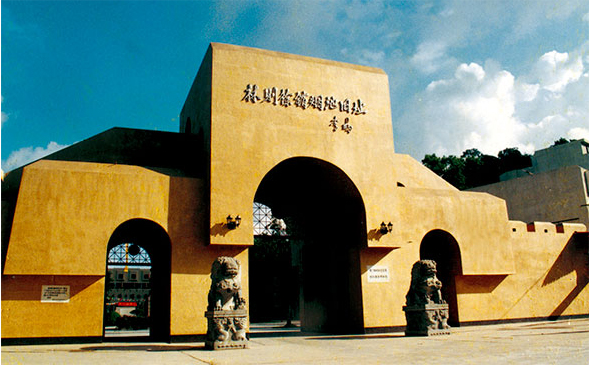
The events of the Opium Wars are commemorated in various museums in China, such as the Opium Wars Museum in Humen, Guangdong, which houses relics and artwork depicting the conflicts. The museum serves as both an educational resource and a memorial site, honoring figures like Lin Zexu, who played critical roles in the events leading up to and during the wars.
Overall, the Opium Wars are remembered as a period of great upheaval and transformation in China, highlighting the complex interplay between domestic challenges and foreign pressures that reshaped the nation's trajectory in the 19th and 20th centuries.








